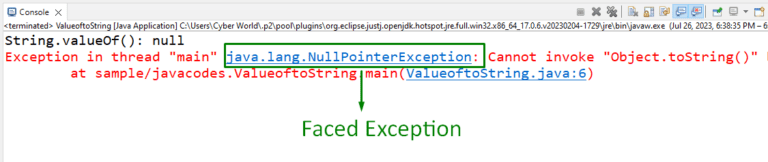
The “toString()” method throws “NullPointerException” if passed value is null whereas the “valueOf()” method returns “null” string if the passed value is null.

How to Initialize a List in Java
To initialize a list in Java, apply the “Arrays.asList()” method, the “List.add()” method, the “Collections” class methods, Stream, or the “List.of()” method.
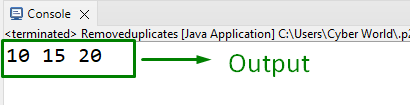
How to Remove Duplicates From an Array in Java
In various data handling scenarios in programming, there arises a need to remove duplicates from the containers i.e., Array. It is done to enhance the code readability and manage the memory effectively. To address this query, Java provides a built in container and other alternative algorithm approaches that assist the developer to a great extent. …
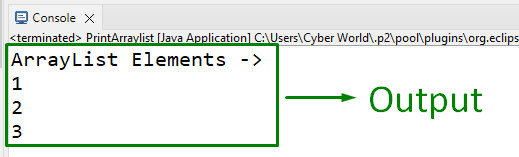
How to Print ArrayList in Java
To print an ArrayList in Java, apply the “for” or “for-Each” loops, the “Iterator” or “ListIterator” interfaces, or the “Stream” approach.
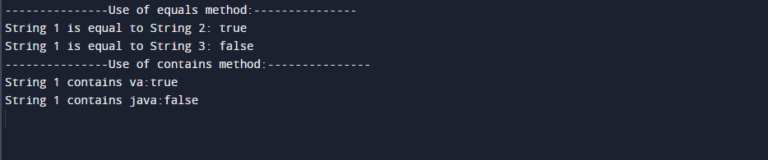
What is the Difference Between “equals” and “contains” in Java?
“equal()” method utilized for comparing two strings. However, the “contains()” method is used to check a word or sequence of characters in the string.
What is a Continuation in Java?
Continuation is the process of saving the current state of the program and using it later. In Java, there are certain techniques to achieve continuation.
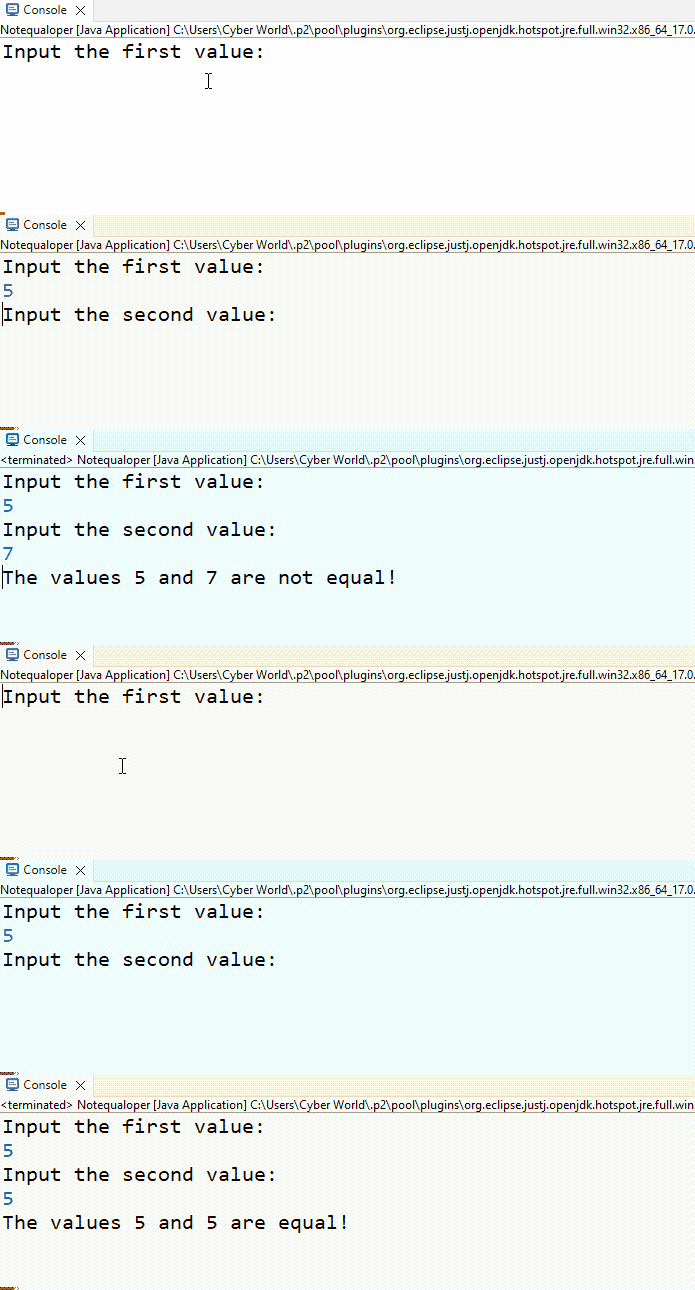
What Does != Mean in Java
The “!=” corresponds to the “not equal” operator that returns Boolean outcome “true” if the left operand does not equal the right operand and “false” otherwise.
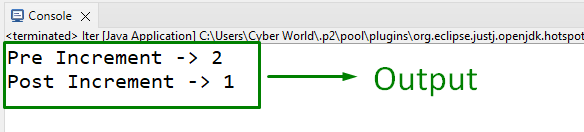
What is the Difference Between ++i and i++ in Java
The operator “++i” is used to increment the value by 1 and then utilize it whereas the operator “i++” uses the current value, and then increments it by 1.