
To check if a string is Null, you can use Java’s relational operator “==” or the “Objects.isNull()” method. Both these approaches return a Boolean value.

How to Flatten a List of Lists in Java
To flatten a list of lists in Java, you can use methods like flatMap(), forEach(), reduce(), collect(), forEach loop, Guava Library, or Eclipse Collection.

How to Call a Java Method From Another Class?
To call a non-static method from another class, first, create the class instance in the other class, then call it depending upon its access modifier.
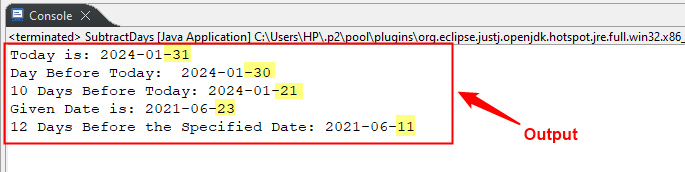
How to Add Days to a Date in Java
To add days to a date in Java, use the built-in classes like Calendar, LocalDate, Instant, or the DateUtils class of the Apache Commons Library.
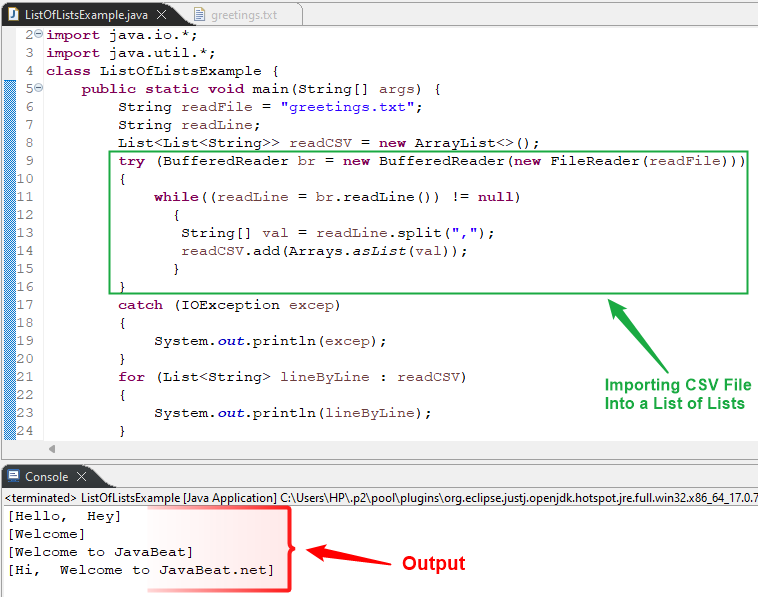
List of Lists in Java: How to Create, Iterate, and Access it
A list containing some other lists as its elements is known as a List of Lists. To create a list of lists in Java, use Arrays.asList(), add(), or Stream.of().
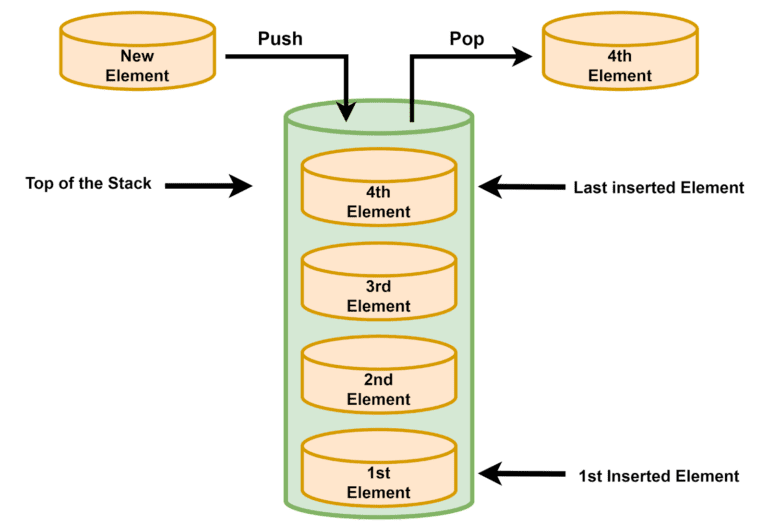
Java Stack pop() Method | Explained With Examples
In Java, the pop() method pops and removes a single element at a time and that element is always the topmost element of the stack.
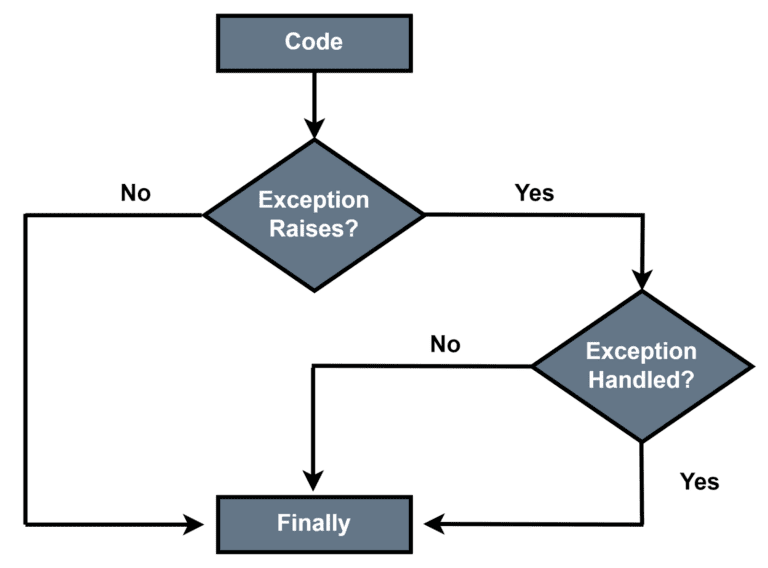
Java Finally Block | Explained With Examples
In Java, the “finally” block executes regardless of the exceptions. In the “finally” block, you can specify the code that you want to execute always.

Java Class Attributes | Explained With Examples
In Java, class attributes are variables contained by a specific class. They represent the characteristics of a class and are also known as fields.